




Responsible Recovery & Processing of Electronic Glass Waste
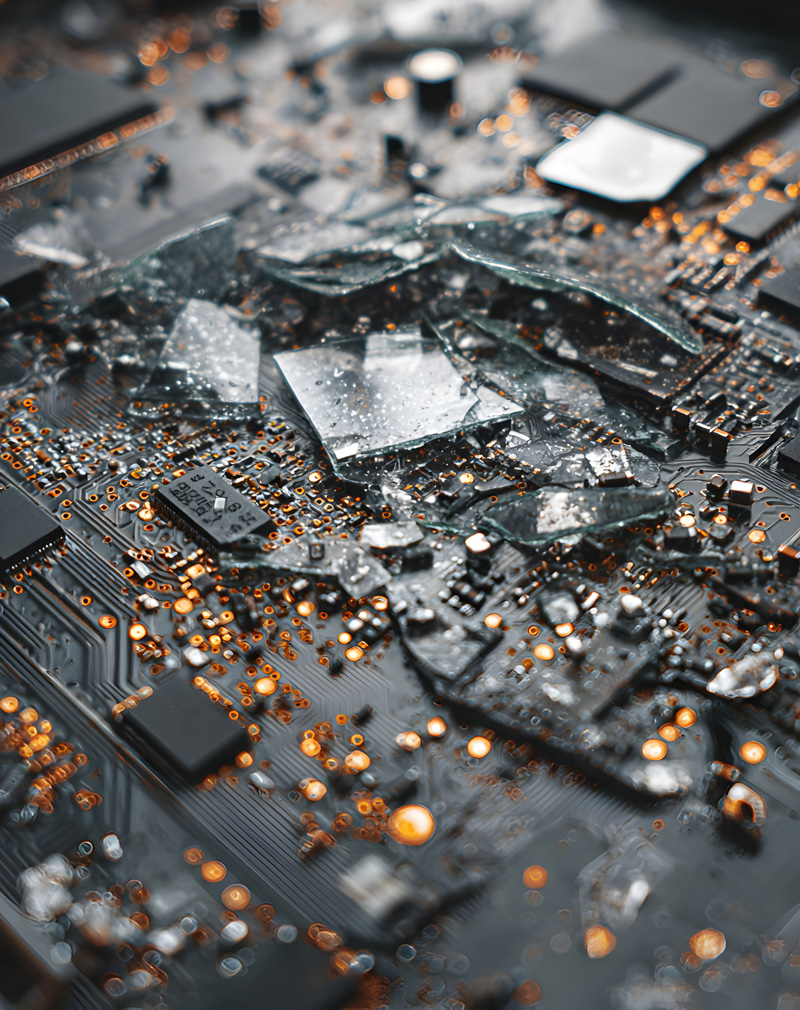
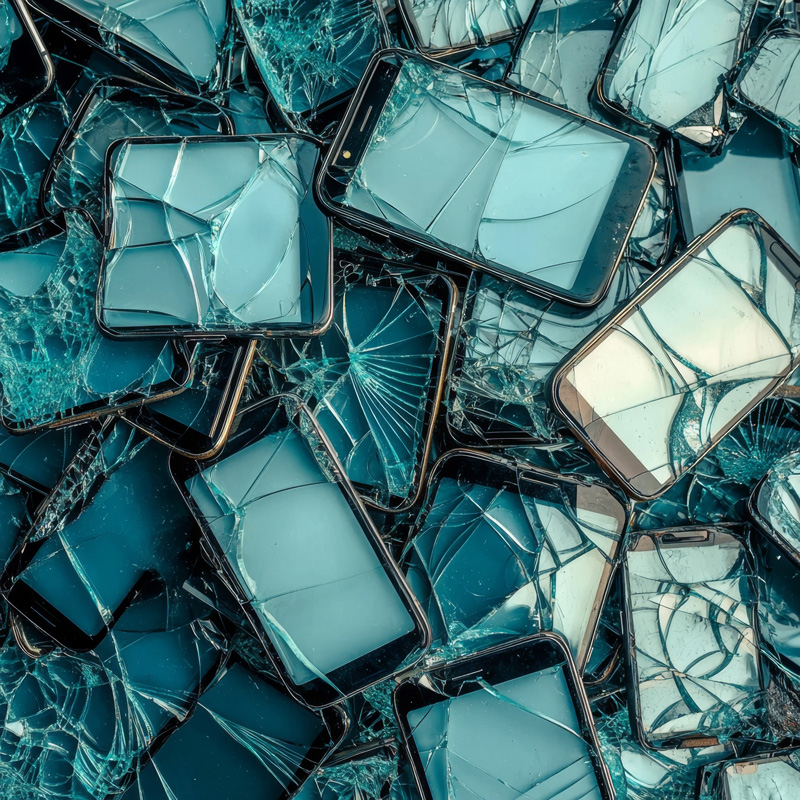
CompuPoint USA, LLC provides specialized glass aggregation services from electronic devices, focusing on the safe recovery, segregation, and processing of glass materials generated from televisions, computer monitors, laptops, mobile devices, CRT units, and flat-panel displays.
Electronic glass is a critical material in modern technology, valued for its transparency, durability, insulation properties, and compatibility with display and touch-screen systems.
Through certified recycling and aggregation practices, CompuPoint USA ensures that electronic glass is responsibly managed, preventing environmental harm while transforming recovered glass into reusable industrial commodities.
Industries we serve...
Our electronic glass aggregation services support:
Electronics recyclers & ITAD providers
Manufacturers of displays and electronic components
Industrial abrasive and surface preparation companies
Government and institutional recycling programs
Environmental and sustainability service providers
We handle both large-scale and specialized electronic glass recovery needs.
Role of Glass in Electronic Devices
Glass is a core component in electronic manufacturing and is widely used in:
Television and monitor display panels
Computer and laptop screens
Smartphones and tablets
Touchscreen interfaces
Protective covers and sensor layers
Electronic-grade glass is designed to be highly transparent, scratch-resistant, chemically stable, and electrically insulating, making it ideal for advanced display technologies. As electronic devices reach end-of-life, significant volumes of recoverable glass enter the waste stream, requiring specialized aggregation and recycling.
Why Glass Aggregation from Electronics matters
Improper disposal of electronic glass can lead to:
Environmental contamination
Landfill overuse
Exposure to hazardous substances (especially from CRT glass)
Loss of reusable materials
Proper glass aggregation delivers key benefits:
Prevents glass waste from entering landfills
Enables safe handling of leaded and non-leaded glass
Reduces demand for virgin raw materials
Supports circular economy initiatives
Ensures compliance with environmental regulations
Glass can be recycled multiple times without losing quality when processed correctly.
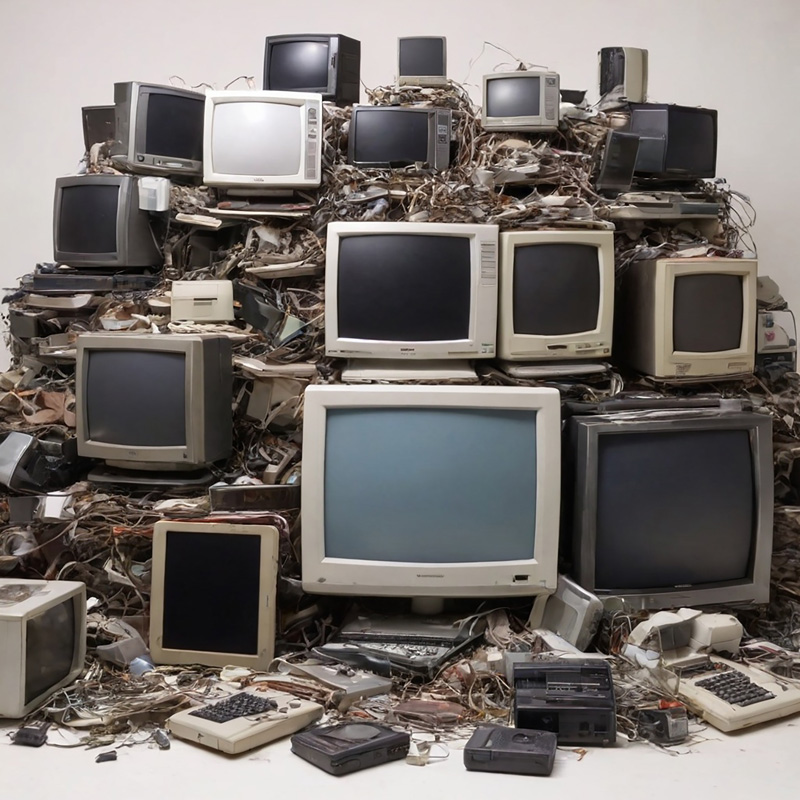
CRT Glass Aggregation From Electronics
CRT (Cathode Ray Tube) devices contain large volumes of glass, including leaded glass, which requires controlled processing.
Challenges of CRT Glass
Presence of hazardous lead
Risk to human health and environment if mishandled
Complex separation requirements
CRT Glass Recycling Process
- CRT Separation – Removal of the CRT unit from the electronic housing
- Metal Removal – Extraction of ferrous and non-ferrous metals
- Phosphor & Oxide Cleaning – Removal of coatings from glass surfaces
- Glass Cullet Segregation – Separation of leaded and non-leaded glass
- Cullet Processing – Conversion into reusable glass media
Crushed Glass from Electronic Devices
Recovered electronic glass is commonly repurposed into crushed glass, one of the most environmentally friendly abrasives available.
Advantages of Crushed Electronic Glass
Contains no free silica
Non-toxic and environmentally safe
Suitable for use near water
Lower health risks compared to traditional abrasives
Effective yet gentle cutting performance
Common Uses
Surface preparation and blasting
Rust and paint removal
Polishing, honing, and finishing
Cleaning of stainless steel, fiberglass, and sensitive surfaces
Crushed glass is classified as a semi-hard abrasive, making it ideal for controlled industrial applications.
Our Environmental & Regulatory Compliance
CompuPoint USA adheres to strict recycling and environmental standards, including:
R2v3 Responsible Recycling Standard
RIOS™ Integrated Management System
EPA & OSHA regulations
Downstream material accountability
Zero-landfill policy for recoverable metals
These measures ensure ethical, transparent, and environmentally sound recycling operations.
Spotlight
Live Data Counts
Glass
POUNDS